











PHJH - Kapalua AirportMSFS
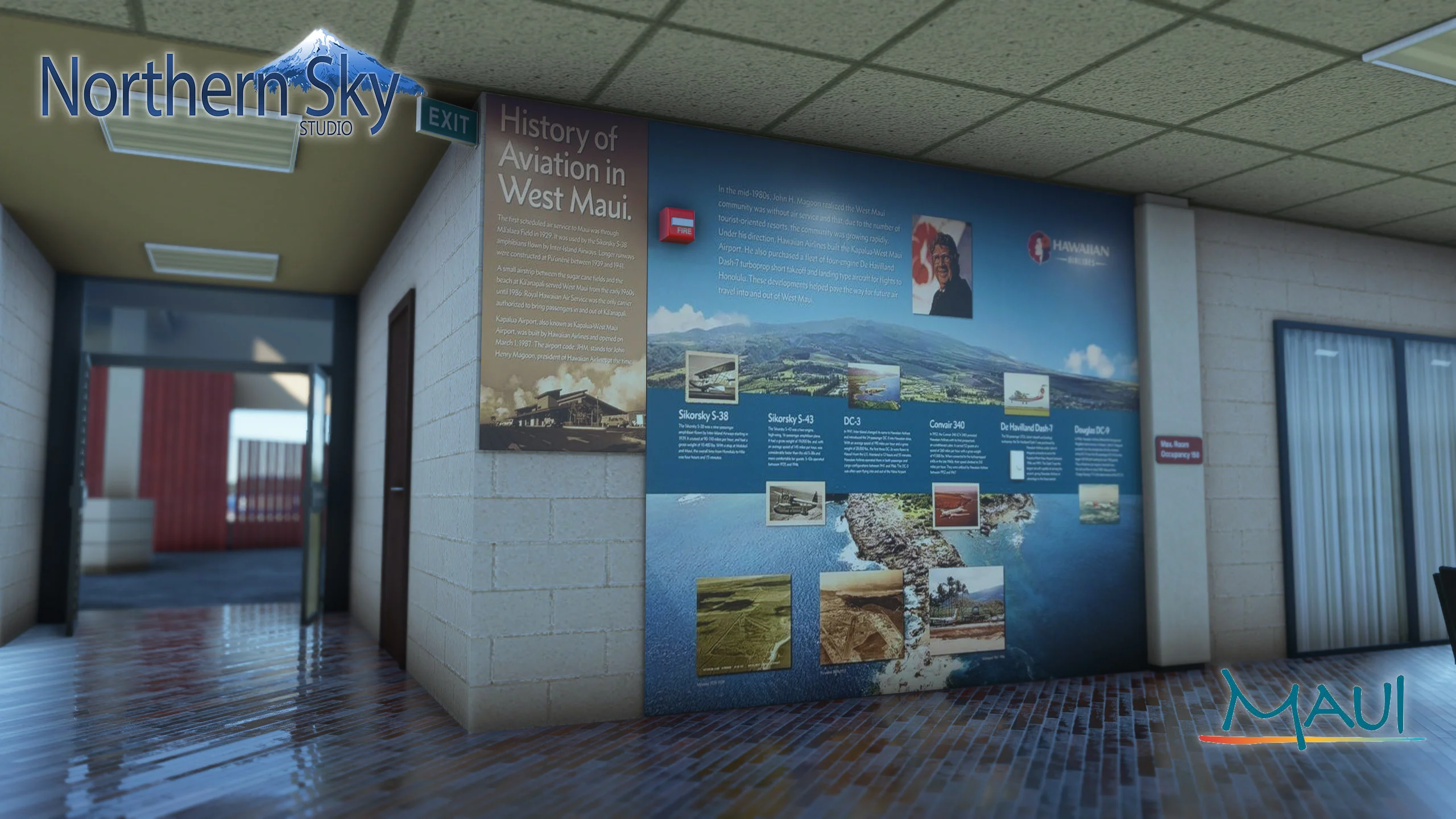
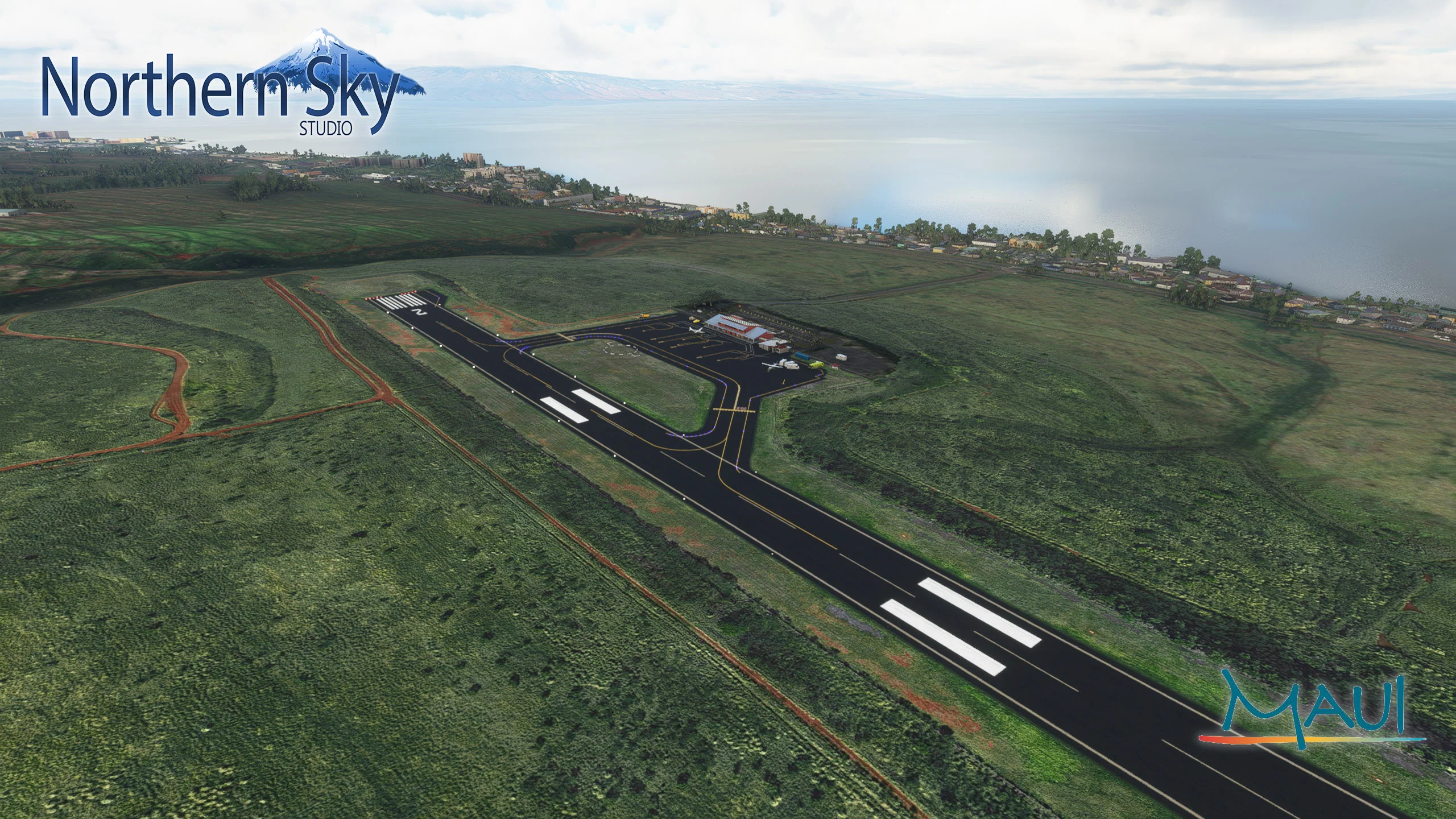
Kapalua Airport (IATA: JHM, ICAO: PHJH, FAA LID: JHM), also known as Kapalua–West Maui Airport, is a regional private use airport on the west side of the island of Maui in Hawaii. It is located five nautical miles (6 mi, 9 km) north of Lahaina, in Maui County. Most flights to Kapalua Airport originate from commuter airports on the other Hawaiian islands by commercial commuter services, unscheduled air taxis, and general aviation.
Named for the Kapalua Resort a few miles to the north, the airport replaced the Kaanapali Airport, which had an even shorter runway, in 1987 to allow valuable coastal land to be developed. The airport code name JHM stands for John Henry Magoon, who was president of Hawaiian Airlines when that airline developed the airport. Hawaiian operated de Havilland Canada DHC-7 Dash 7 turboprop aircraft on flights to Honolulu. The STOL capable, four-engine, 50-passenger Dash 7 was the largest aircraft ever to operate scheduled passenger flights from the airport. Hawaiian discontinued service to Kapalua when the Dash 7 was retired from its fleet in 1994.
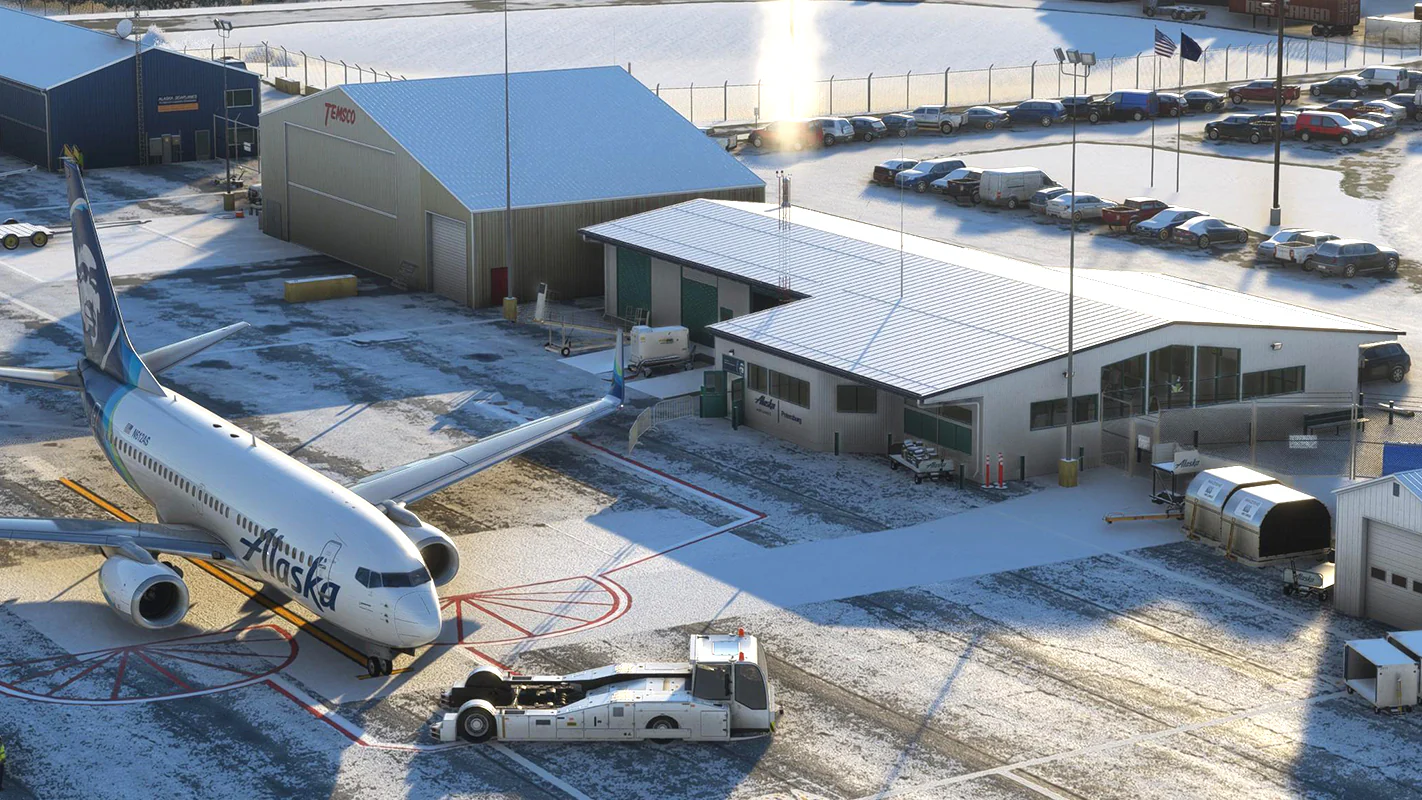
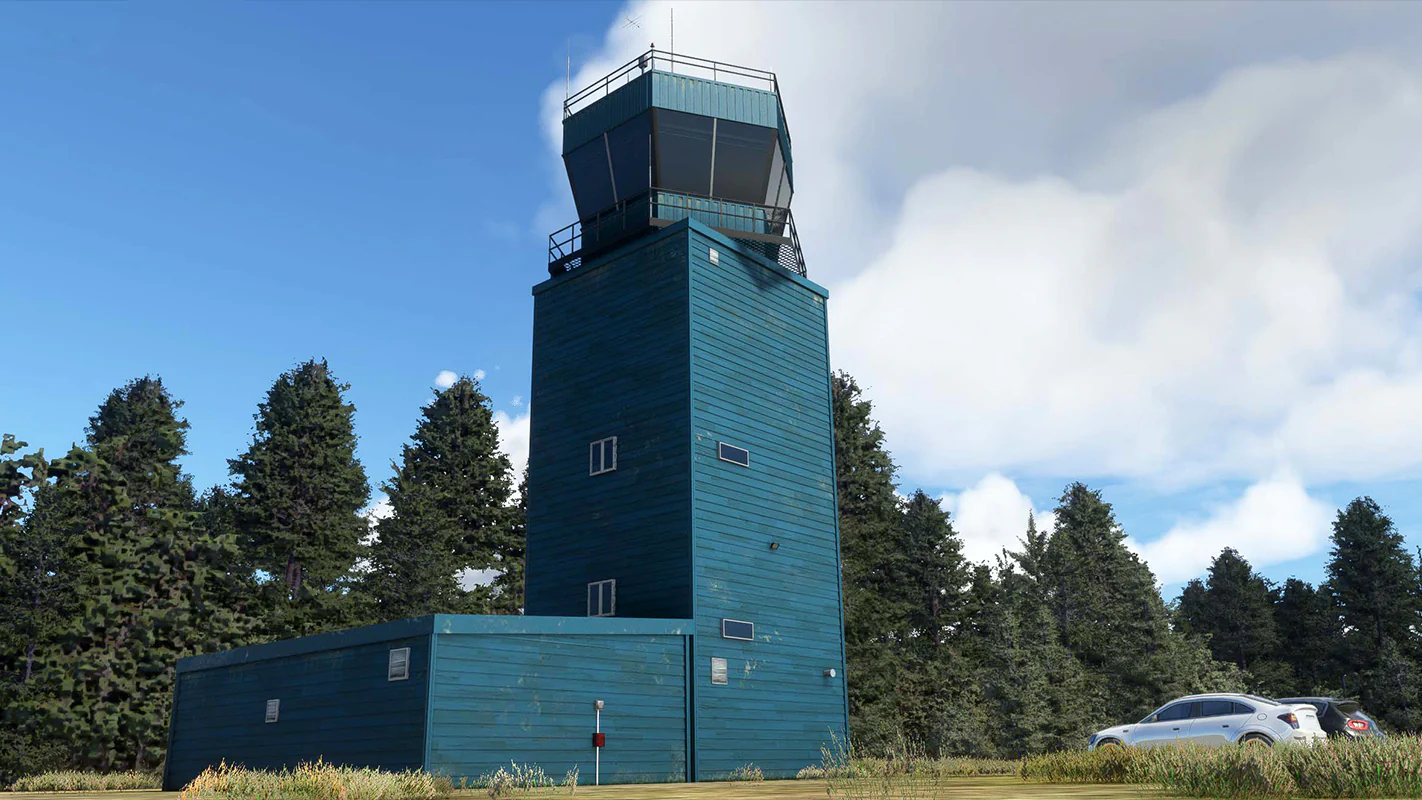
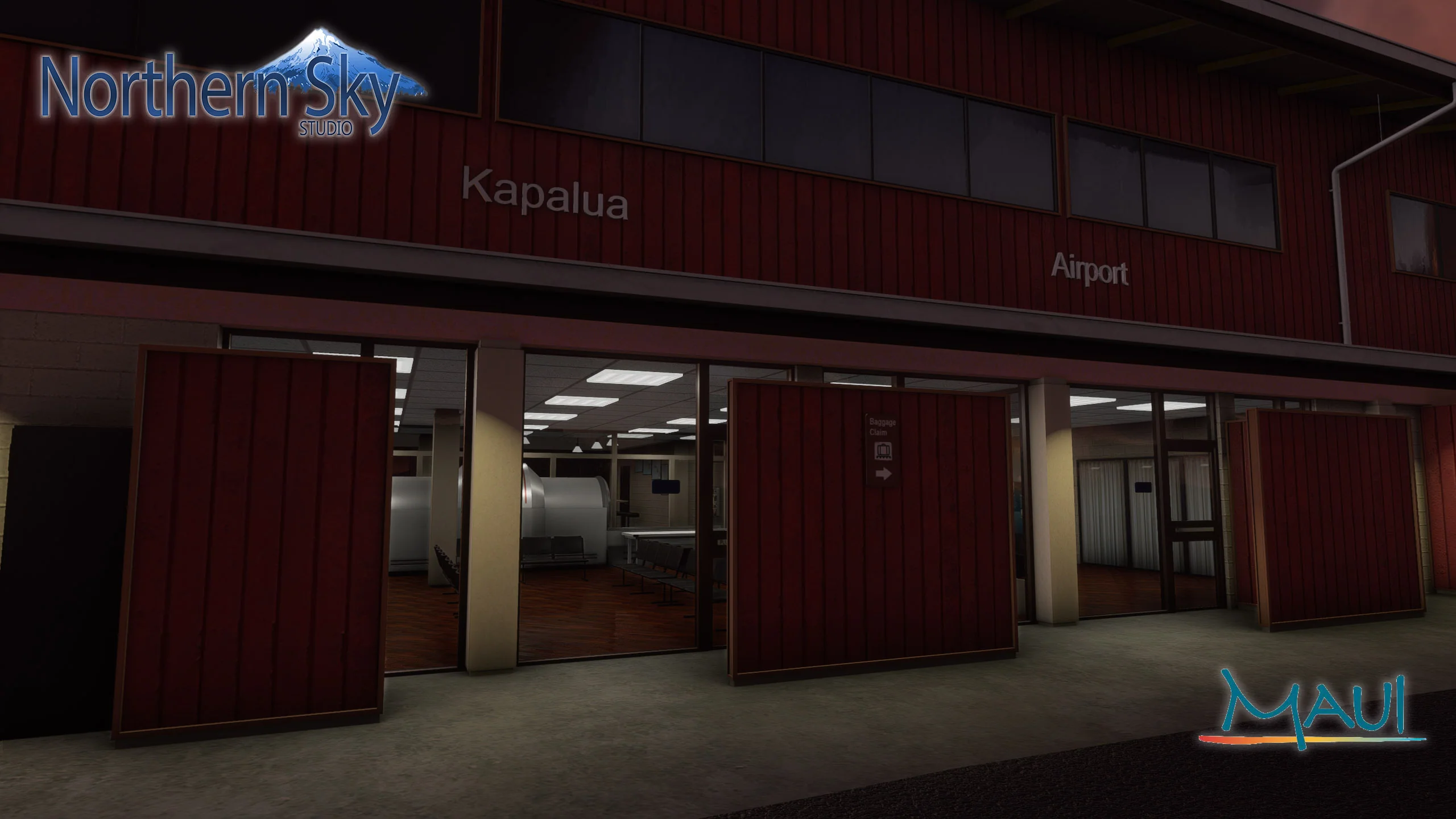
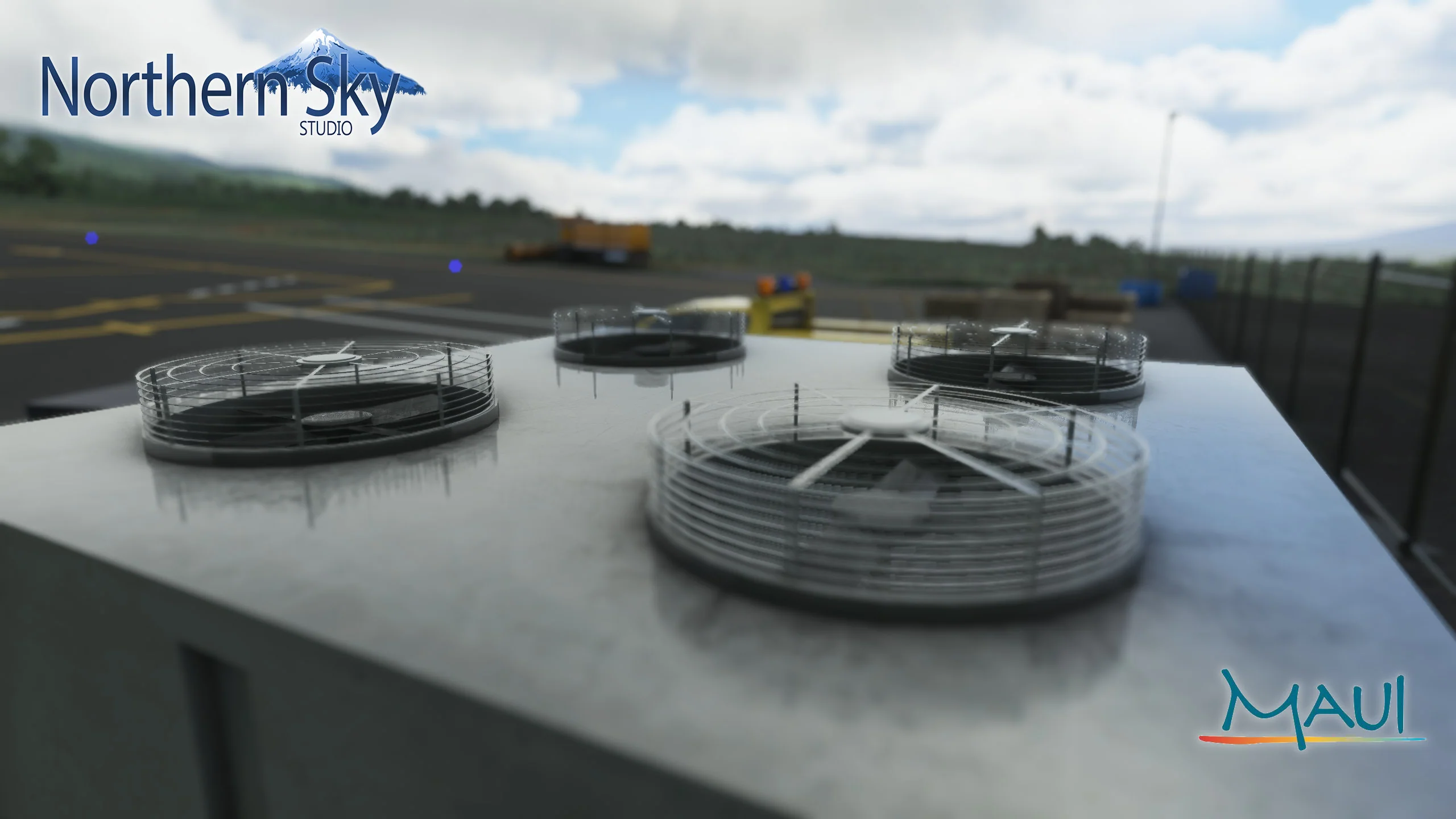
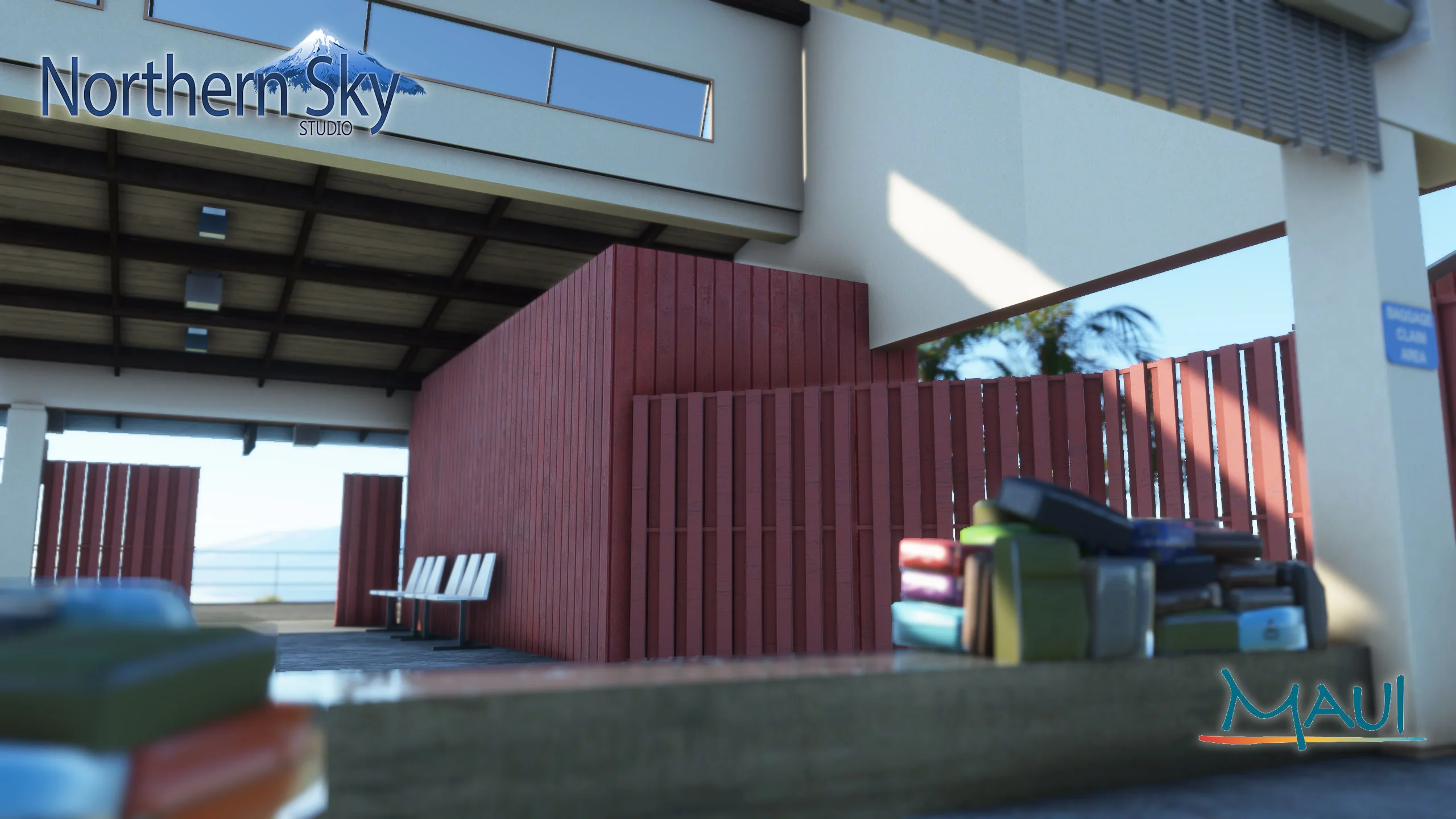
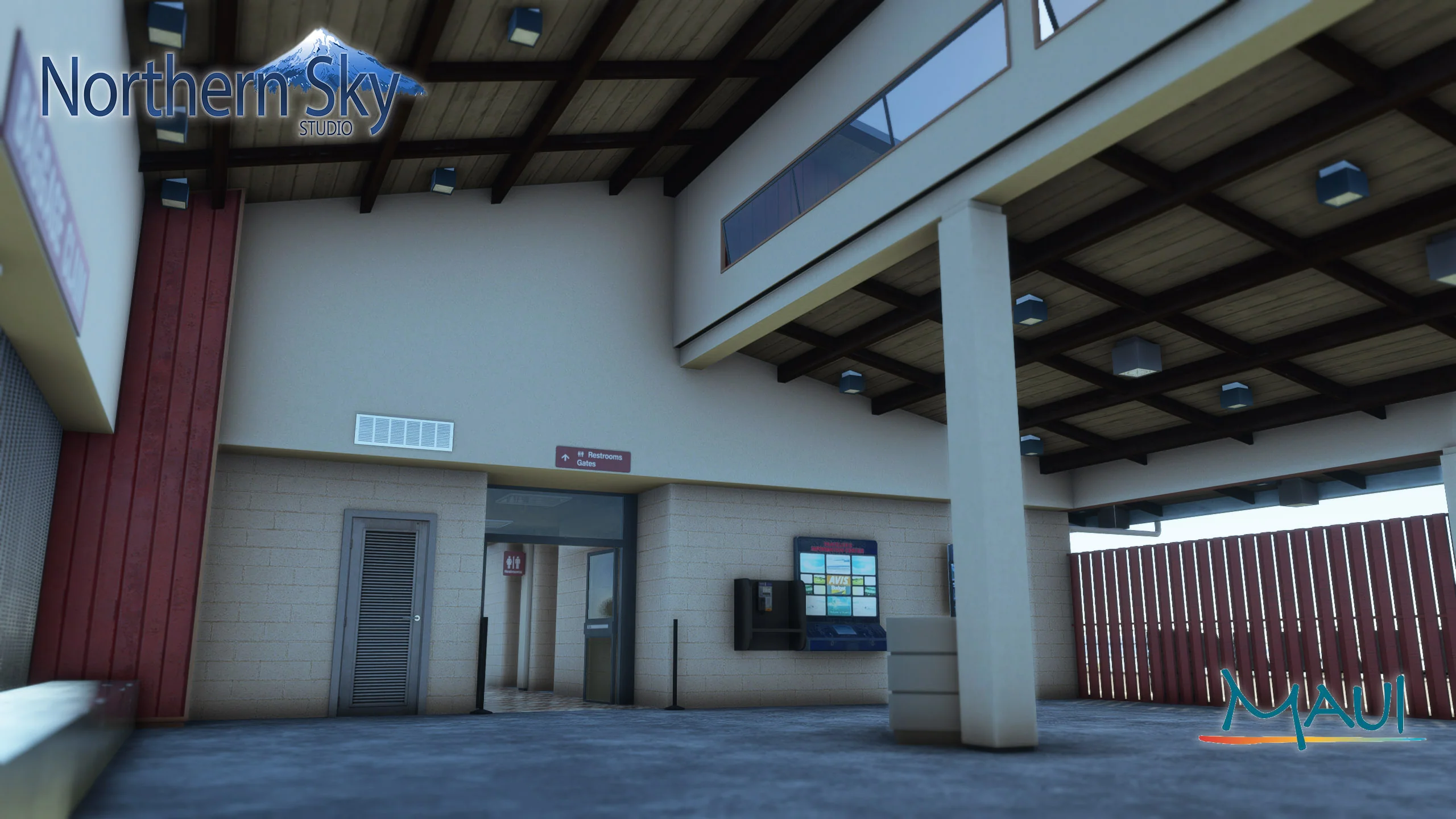
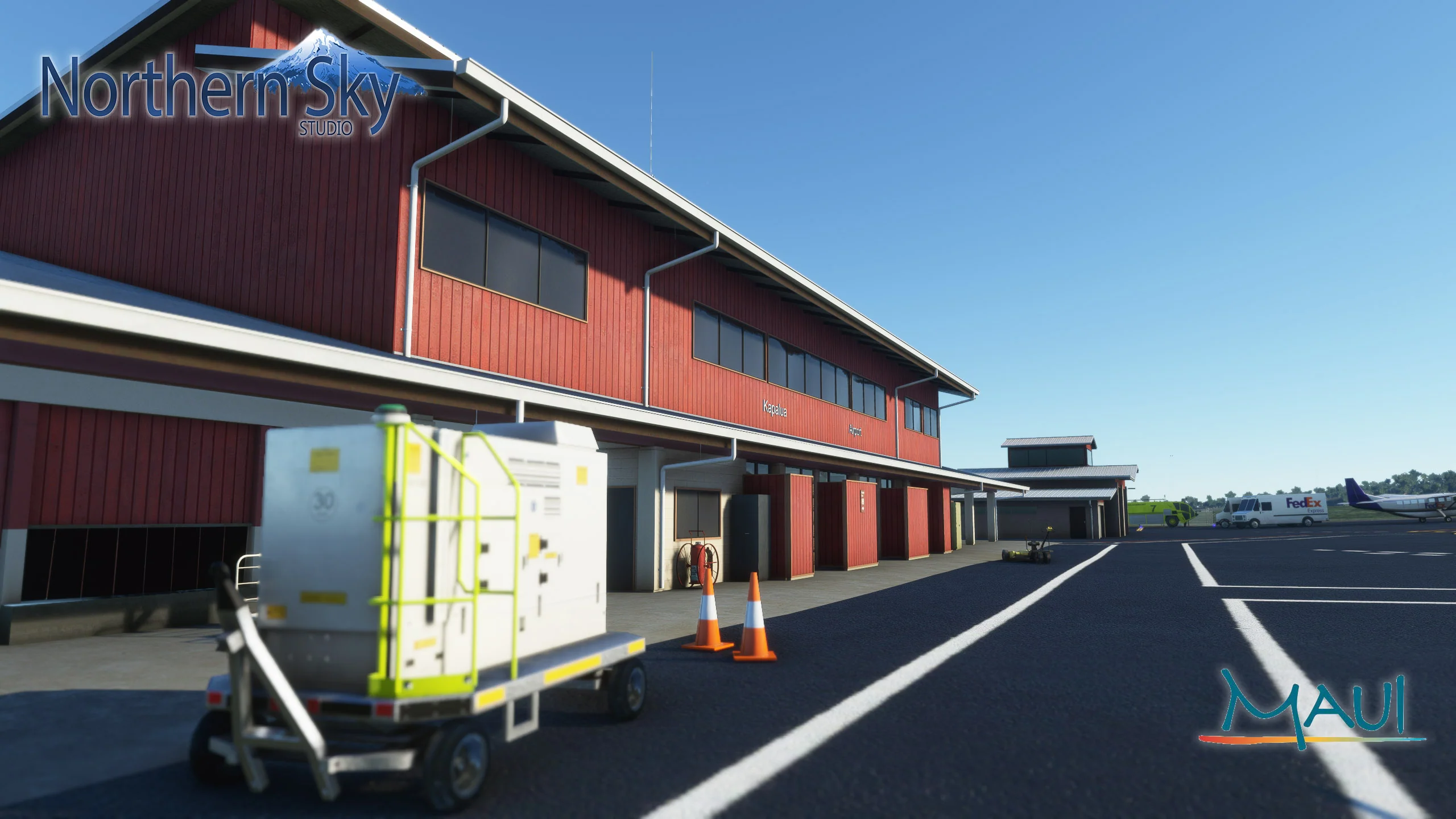
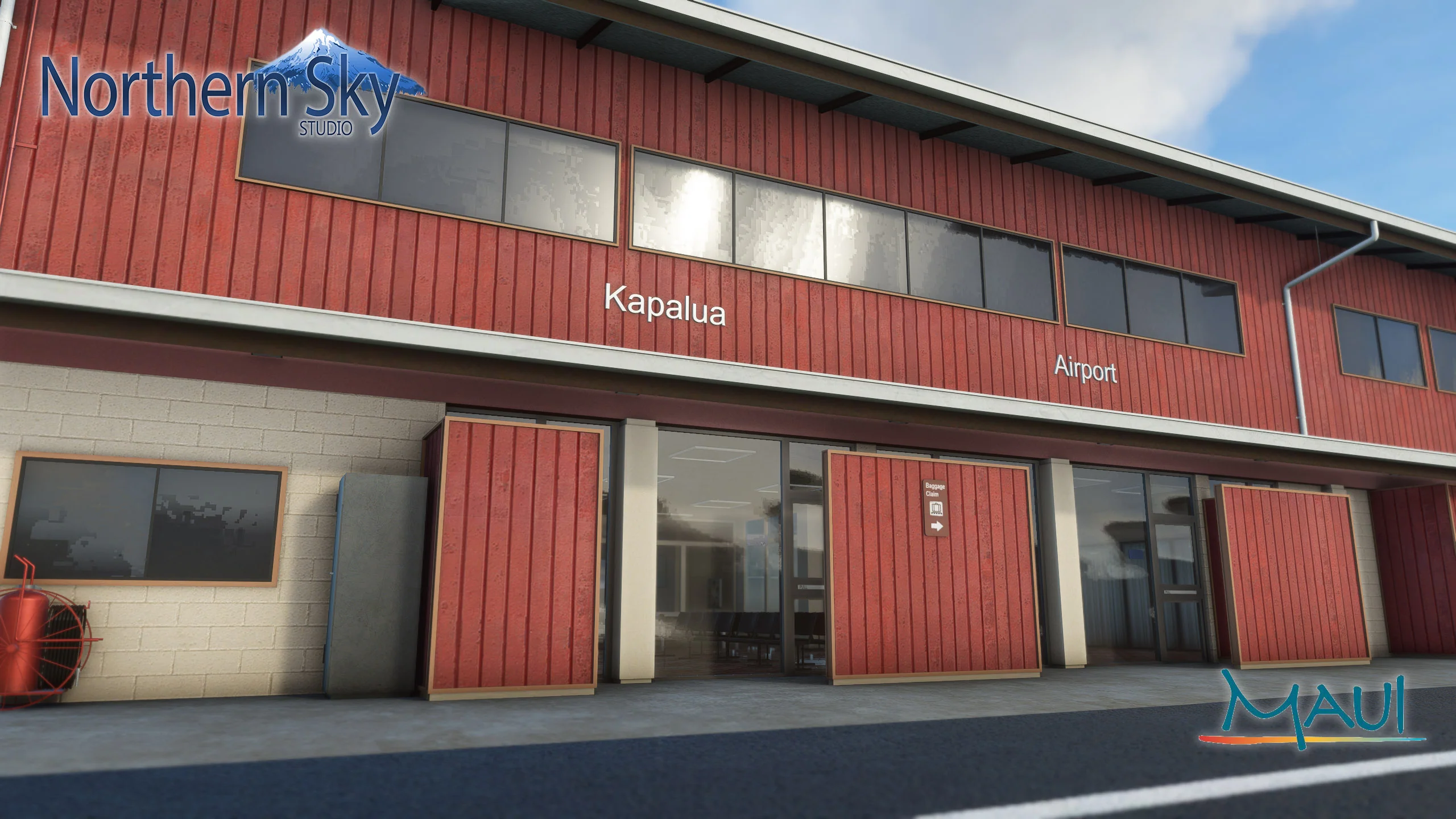
- The most detailed replica of airport buildings and vehicles
- Detailed mesh for the airport area
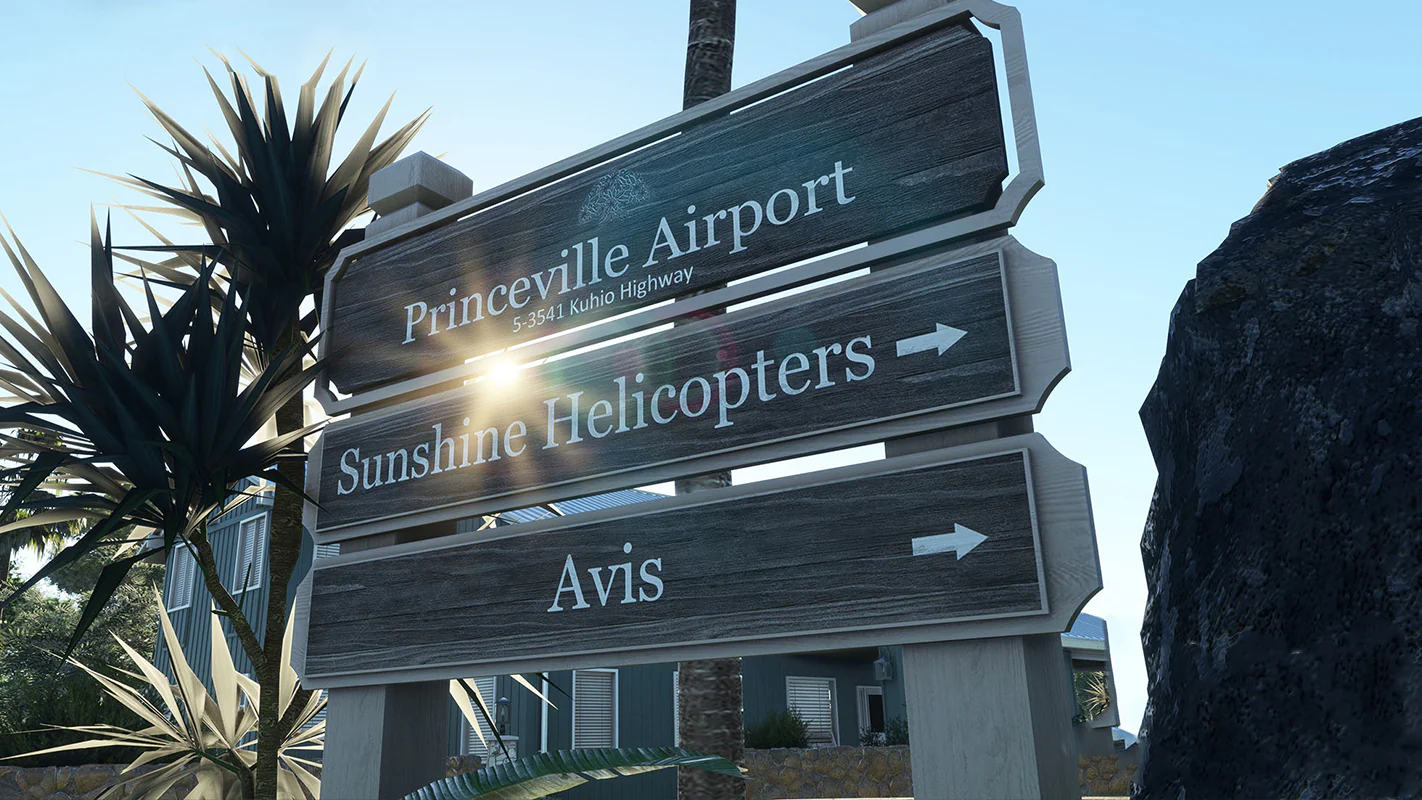
- Custom surroundings
- All materials created for full PBR
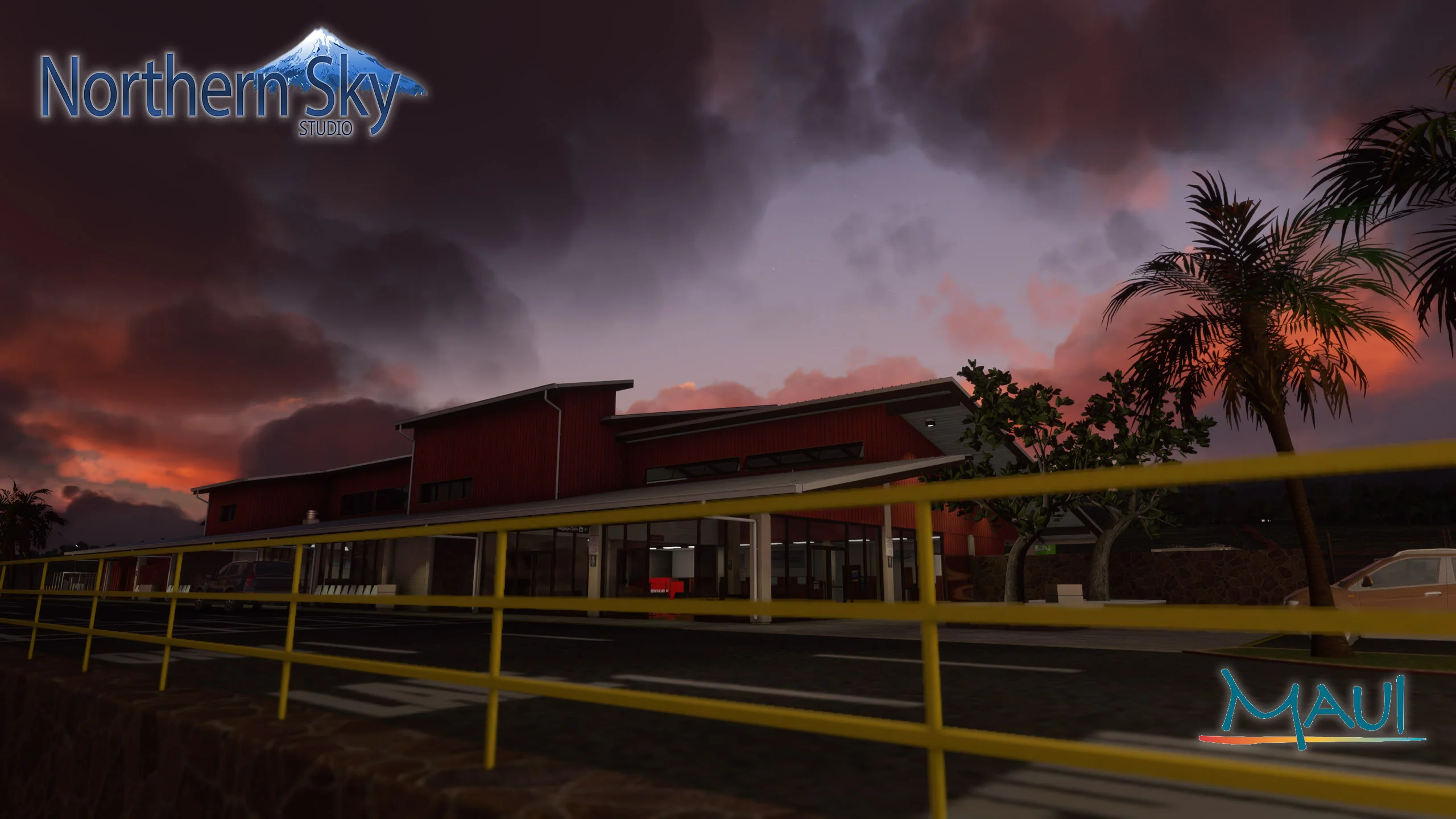
- Shading and occlusion (texture baking) effects on all airport buildings
- High-resolution building textures
- Use of native, highly efficient gITF models
- Custom orthophoto for the airport and surrounding areas
Product Information
Product Information
Shipping & Returns
Shipping & Returns
Description
Kapalua Airport (IATA: JHM, ICAO: PHJH, FAA LID: JHM), also known as Kapalua–West Maui Airport, is a regional private use airport on the west side of the island of Maui in Hawaii. It is located five nautical miles (6 mi, 9 km) north of Lahaina, in Maui County. Most flights to Kapalua Airport originate from commuter airports on the other Hawaiian islands by commercial commuter services, unscheduled air taxis, and general aviation.
Named for the Kapalua Resort a few miles to the north, the airport replaced the Kaanapali Airport, which had an even shorter runway, in 1987 to allow valuable coastal land to be developed. The airport code name JHM stands for John Henry Magoon, who was president of Hawaiian Airlines when that airline developed the airport. Hawaiian operated de Havilland Canada DHC-7 Dash 7 turboprop aircraft on flights to Honolulu. The STOL capable, four-engine, 50-passenger Dash 7 was the largest aircraft ever to operate scheduled passenger flights from the airport. Hawaiian discontinued service to Kapalua when the Dash 7 was retired from its fleet in 1994.
- The most detailed replica of airport buildings and vehicles
- Detailed mesh for the airport area
- Custom surroundings
- All materials created for full PBR
- Shading and occlusion (texture baking) effects on all airport buildings
- High-resolution building textures
- Use of native, highly efficient gITF models
- Custom orthophoto for the airport and surrounding areas